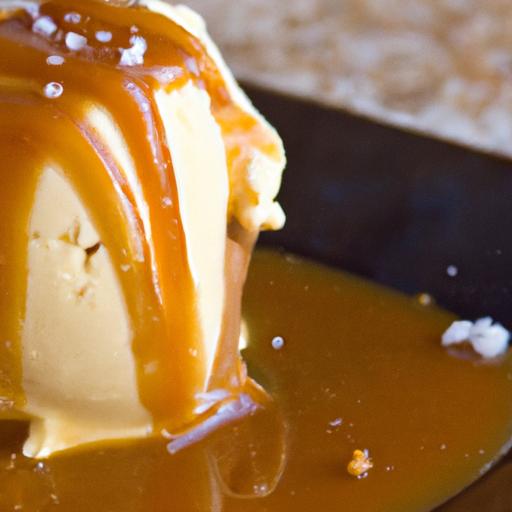
There’s something magically indulgent about caramel sauce-its golden glow, rich aroma, and silky texture that glides effortlessly over desserts. But what happens when that luscious, creamy dream suddenly turns grainy and gritty? Your beautifully crafted caramel sauce might be falling victim to an age-old kitchen mystery: crystallization. While it may seem like a sweet sabotage, the science behind this sugary snafu is as fascinating as it is fundamental. In this article, we’ll unravel the molecular mischief behind caramel crystallization and reveal how to keep your sauce smooth, glossy, and perfectly pourable every time. Welcome to the sweet science of caramel!
Why Is My Caramel Sauce Crystallizing? Sweet Science Explained begins with the fundamental understanding that caramel is a delicate dance of heat, sugar, and moisture. The transformation from granulated sugar to silky amber sauce is as much chemistry as culinary art. When sugar crystals prematurely re-form in caramel, the luscious sauce becomes grainy and loses its glossy allure, disappointing even the most patient home cooks.
Prep and Cook Time
Preparation: 5 minutes
Cooking: 15 minutes
Total Time: 20 minutes
Yield
Approximately 1 cup of caramel sauce (enough for 6 servings)
Difficulty Level
Intermediate – Requires attentive heat control and timing for perfect texture
Ingredients
- 1 cup granulated sugar
- 1/4 cup light corn syrup (helps prevent crystallization)
- 1/4 cup water
- 1/2 cup heavy cream, warmed
- 2 tablespoons unsalted butter, softened
- 1/2 teaspoon pure vanilla extract
- 1/4 teaspoon fine sea salt
Instructions
- Combine granulated sugar, corn syrup, and water in a heavy-bottomed saucepan over medium heat. Stir gently until the sugar dissolves.
- Attach a candy thermometer to the pan, ensuring the bulb can move freely in the syrup. Avoid stirring from this point on to minimize crystal formation.
- Allow the sugar syrup to simmer, undisturbed, until it reaches 320°F (160°C), showing a deep amber color. Watch closely-caramel can shift from perfect to burnt in seconds.
- Remove the pan from heat. Slowly pour in the warmed heavy cream while stirring carefully. The mixture will bubble vigorously-this is normal and signals the caramel’s transformation.
- Whisk in the butter, vanilla extract, and sea salt until fully integrated and silky smooth.
- Let the caramel cool slightly before transferring to a heatproof jar. Do not refrigerate immediately; allow it to come to room temperature first to maintain gloss and creaminess.
Tips for Success
- Choose the Right Sugar: Using a mix of granulated sugar and corn syrup disrupts recrystallization by introducing glucose molecules, key to smooth caramel.
- Watch Your Temperature: Precise heat control prevents sugar from crystallizing prematurely. Use a reliable candy thermometer.
- Minimize Stirring: Stirring once sugar begins boiling can encourage crystal formation. Instead, gently swirl to mix if needed.
- Clean Pot Edges: Wipe down the sides of the saucepan with a pastry brush dipped in water to dissolve errant sugar crystals.
- Cool Gradually: Rapid cooling or refrigeration can cause unwanted crystallization. Let caramel cool at room temperature before storing.
- Reheat Gently: If crystallization occurs, gently reheating the sauce with a tablespoon of water can dissolve crystals and restore smoothness.
Serving Suggestions
Drizzle this heavenly caramel sauce over warm apple pie, fold it into vanilla bean ice cream, or dip freshly cut fruit slices. Garnish with a sprinkle of sea salt flakes or a few toasted nuts to balance the sweetness with texture and crunch. For an elegant touch, drizzle in dark chocolate ribbons for contrast. The glossy, smooth sauce speaks for itself and elevates every dessert it touches.
| Nutrient | Per Serving (1/6 Cup) |
|---|---|
| Calories | 140 kcal |
| Protein | 0.5 g |
| Carbohydrates | 22 g |
| Fat | 6 g |
Learn more about caramel chemistry from this expert source to perfect your technique. For more caramel-inspired recipes and kitchen science, check out our caramel recipes collection.

Q&A
Q: Why is my caramel sauce turning grainy or crystallizing?
A: Ah, the dreaded sugar crystals making an uninvited appearance! When sugar molecules in your caramel start bonding into tiny crystals, your once-smooth sauce turns grainy. This usually happens because sugar wasn’t fully dissolved or the mixture was disturbed during cooking, causing those crystals to form their little sugar army.
Q: What causes caramel sauce to crystallize in the first place?
A: Sugar is a bit of a diva-when heated, it dissolves into a syrup, but if the environment isn’t just right, it tries to reassemble into solid crystals. Impurities, undissolved sugar, or even tiny bits of unwashed utensils provide the perfect “seeds” for crystals to grow. Plus, stirring too vigorously or introducing moisture at the wrong time can tempt the sugar back into crystal form.
Q: Can the type of sugar I use affect crystallization?
A: Absolutely! Granulated white sugar, being highly refined, can crystallize more readily because it’s pure sucrose. Using a bit of brown sugar, corn syrup, or honey introduces different sugars and acids that interrupt crystal formation, helping keep your caramel luxuriously smooth.
Q: How can I prevent my caramel sauce from crystallizing?
A: The secret lies in patience and technique. Start by fully dissolving sugar in water over gentle heat before boiling. Avoid stirring once it’s boiling to prevent sugar agitation. Adding an acid like lemon juice or cream of tartar, or a touch of corn syrup, plays sugar’s party pooper, blocking crystals from gathering. Also, make sure your utensils and pot are squeaky clean-no sugar seeds allowed!
Q: Is there a way to fix caramel sauce once it has crystallized?
A: Don’t toss that sauce just yet! You can gently reheat the caramel with a splash of water, stirring carefully to dissolve crystals. Sometimes, adding a small amount of cream or butter and warming on low heat can coax it back to silky smoothness. If that doesn’t work, it might be time to start fresh, armed with your newfound crystallization wisdom.
Q: Why does temperature control matter for caramel sauce?
A: Sugar is temperature-sensitive drama at its finest! If it’s heated too quickly, sugar crystals don’t have time to dissolve properly, forming unwanted crystal clusters. Cooking sugar syrup slowly and watching for the perfect amber hue ensures the sugar’s molecules stay in their syrupy harmony rather than banding together as rebel crystals.
Q: Can humidity or storage affect caramel crystallization?
A: Indeed! Moisture in the air can encourage sugar crystals to form when your sauce cools. Storing caramel in an airtight container at room temperature helps keep its smooth charm intact. Refrigerating may cause it to thicken or develop crystallization, but gentle reheating restores its creamy embrace.
With these sweet science secrets, your caramel sauce can stay velvety and sublime-no grainy surprises, just pure golden bliss!
To Conclude
In the delicate dance of sugar and heat, caramel sauce’s tendency to crystallize is both a culinary challenge and a sweet mystery unraveled by science. Understanding the why behind those unexpected gritty bits transforms the caramel-making process from guesswork into confident craft. So next time your sauce tries to seize up, remember-it’s just sugar molecules finding their own rhythm. With the right balance of ingredients, temperature, and technique, your caramel can remain silky smooth, turning every drizzle into a luscious celebration of science and sweetness combined.