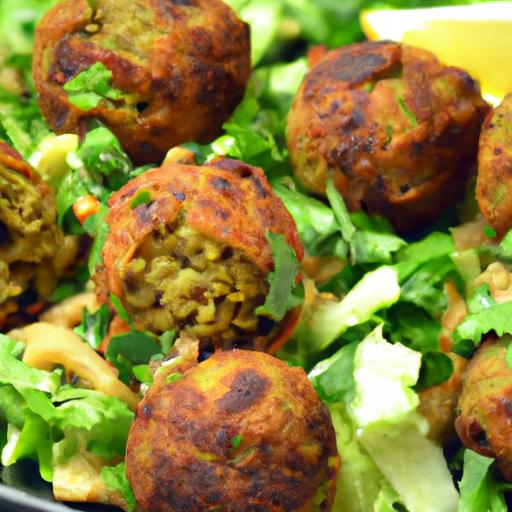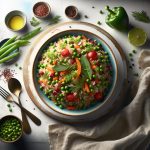

There’s nothing quite like biting into a warm, golden falafel-crispy on the outside, tender and flavorful on the inside. But what happens when your homemade falafel turns out dry and crumbly instead? Instead of that satisfying burst of texture and taste, you’re left with a disappointing, sandy bite that leaves you wondering where it all went wrong. If you’ve ever faced this falafel fiasco, fear not! This article dives into the common pitfalls behind dry, crumbly falafel and reveals easy, foolproof fixes to bring your recipe back to its luscious, mouthwatering glory. Say goodbye to crumbs and hello to perfectly moist falafel every single time!
Why Is My Homemade Falafel Dry and Crumbly? Fix It!
Why is my homemade falafel dry and crumbly? Fix it! Understanding the delicate balance needed for that perfect falafel texture can completely transform your kitchen experience. Originating from the Middle East, falafel is famed for its satisfying crunch on the outside and irresistibly tender, moist interior. Yet, many home cooks encounter that frustrating dryness which threatens to undermine this classic delight. Let’s unravel the science and artistry behind achieving perfectly moist and crispy falafel every time.
Prep and Cook Time
Preparation: 12 hours soaking + 20 minutes active prep
Cooking: 4-6 minutes frying per batch
Total Time: Approximately 12 hours 30 minutes
Yield
Makes about 20 medium-sized falafel balls (serves 4)
Difficulty Level
Medium – Requires some planning, soaking, and attention to technique
Ingredients
- 1 cup dried chickpeas (do not use canned)
- 1/2 medium onion, roughly chopped
- 1/4 cup fresh parsley, packed
- 1/4 cup fresh cilantro, packed
- 3 cloves garlic, minced
- 1 teaspoon ground cumin
- 1 teaspoon ground coriander
- 1/2 teaspoon baking powder
- 2 tablespoons all-purpose flour (or chickpea flour for gluten-free)
- Salt and freshly ground black pepper, to taste
- Vegetable oil for frying (about 2 cups)
Instructions
- Soak the chickpeas: Place dried chickpeas in a large bowl and cover with at least 3 inches of cold water. Soak for 12 to 24 hours. They will almost double in size. This step is crucial for the right falafel texture-never substitute canned chickpeas, which release too much moisture and cause dryness.
- Drain and rinse: After soaking, drain thoroughly and rinse under cold water.
- Grind the mixture: In a food processor, combine chickpeas, onion, parsley, cilantro, garlic, cumin, coriander, salt, and pepper. Pulse until coarsely ground but not pureed-small, grainy bits are key. Overprocessing creates a pasty mixture that lacks texture and can dry out.
- Add binding agents: Sprinkle in baking powder and flour, then pulse just to combine. These help keep the falafel tender and assist in crisping when fried.
- Rest the batter: Cover and refrigerate for 1 hour. This lets the flavors meld and firms up the mixture for easier shaping.
- Shape the falafel: Using wet hands or a falafel scoop, form the mixture into even balls or small patties about 1 ½ inches in diameter. Avoid compressing them too tightly; keep them light and airy for moist results.
- Heat the oil: In a deep saucepan or skillet, heat oil to 350°F (175°C). Use a kitchen thermometer for accuracy. Proper oil temperature prevents excessive oil absorption, keeping falafel crispy and not greasy.
- Fry in batches: Carefully add falafel balls without overcrowding. Fry 4-5 minutes, turning gently until they are deep golden brown. Remove with a slotted spoon and drain on paper towels.
- Serve immediately: Falafel is best enjoyed fresh and hot for the ideal texture contrast.
Tips for Success: How to Ensure Crispy Outside, Moist Inside Falafel
- Soaking time is non-negotiable: Undersoaked chickpeas lead to dry falafel. The soaking hydrates the chickpeas, providing the moisture needed inside each bite.
- Never rinse the falafel mix after grinding: This removes starches and moisture that help bind and add softness.
- Use fresh herbs generously: Parsley and cilantro don’t just provide flavor-they bring natural moisture that lightens the mixture.
- Control your oil temperature: Too hot, and the exterior burns before the inside cooks; too cool, and falafel absorbs excess oil and becomes greasy.
- Add baking powder: This creates air pockets during frying, lending a fluffier interior.
- Use chickpea flour as a gluten-free binder: It helps hold falafel without drying it out, unlike too much wheat flour.
- Make ahead and freeze: Shape falafel, freeze on a tray, then store in an airtight bag. Fry straight from frozen-no thawing needed, maintaining perfect moisture.
Serving Suggestions
Present falafel nestled in warm pita bread or alongside a fresh tabbouleh salad. Drizzle with creamy tahini sauce or cool cucumber yogurt for contrast. Scatter pomegranate seeds for bursts of sweetness, or top with pickled turnips for tang. A squeeze of lemon juice enhances the herbal, nutty flavor and elevates the experience.

| Nutrient | Per Falafel Ball (approx.) |
|---|---|
| Calories | 70 kcal |
| Protein | 3 g |
| Carbohydrates | 8 g |
| Fat | 3.5 g |
For more authentic Middle Eastern recipes and tips on creating delicious plant-based dishes, check out our Ultimate Hummus Guide.
Learn more about chickpea nutritional benefits and culinary uses at the World’s Healthiest Foods.
Q&A
Q&A: Why Is My Homemade Falafel Dry and Crumbly? Fix It!
Q: Why does my homemade falafel come out dry and crumbly instead of moist and fluffy?
A: Dry, crumbly falafel usually means your mixture lacks enough moisture or binding agents. It could be from over-processing your chickpeas, not soaking them long enough, using canned chickpeas instead of dried ones, or missing key ingredients like herbs and a binding binder such as flour or breadcrumbs. The result? Falafel that falls apart or feels chalky in your mouth.
Q: How does the type of chickpeas affect falafel texture?
A: Using dried chickpeas that you soak overnight is essential. Canned chickpeas are too soft and create a mushy mixture that doesn’t hold together well. Soaked dried chickpeas provide the perfect texture-firm enough to shape, yet tender enough to create that iconic fluffy interior.
Q: Could I be over-processing my falafel mix?
A: Absolutely! Blitzing chickpeas into a paste can crush the fibers, releasing starches that dry out your falafel. Pulse gently until the mixture holds together but still shows some texture. You want a coarse grind, not a smooth hummus-like consistency.
Q: What’s the role of binding agents in falafel?
A: Binding agents like flour, chickpea flour, or breadcrumbs soak up excess moisture and keep your falafel intact. Without enough binder, your falafel will crumble during frying. Be cautious, though-a little goes a long way. Too much can make it dense and dry.
Q: How important is moisture balance?
A: It’s the secret sauce! Your falafel mix should be moist enough to hold together but not so wet that it falls apart in the fryer. Adding fresh herbs, onion, garlic, or a tablespoon of water or lemon juice helps maintain moisture and boosts flavor.
Q: Can frying temperature affect falafel moisture?
A: Yes! Frying falafel in oil that’s too hot scorches the outside before the inside cooks, leaving it dry and crumbly. Keep your oil at a steady 350°F (175°C) so falafel crisps externally but stays moist and tender inside.
Q: Any quick fixes if my mixture feels too dry?
A: Try adding a splash of water or olive oil, or finely chopped fresh herbs like parsley or cilantro. If the mixture is too loose, mix in a spoonful of flour or breadcrumbs. Let it rest for 10-15 minutes to help the ingredients meld.
Q: What’s the best way to store falafel dough before frying?
A: Keep it covered and chilled for up to a day. The rest time lets the flavors bloom and the mixture firm up-a crucial step that helps prevent crumbling.
Q: How can I tell if my falafel is done frying?
A: They should be golden-brown and crispy on the outside, with a warm, tender crumb inside. If your falafel breaks apart when turning or removing from oil, your mixture likely needs tweaking.
Q: Any final pro tips to perfect falafel?
A: Patience and practice! Soak chickpeas overnight, pulse gently, balance moisture, and fry at the right temp. Don’t rush-perfect falafel is a labor of love worth every crumb.
Concluding Remarks
In the quest for the perfect homemade falafel, dryness and crumbly bites can easily turn a beloved classic into a kitchen conundrum. But armed with the right techniques-soaking your chickpeas just enough, embracing the magic of fresh herbs, and mastering the balance of moisture-you’re well on your way to falafel finesse. Remember, great falafel is a dance of texture and flavor, a crispy-on-the-outside, tender-on-the-inside delight that makes every bite sing. So don’t let those dry balls of despair keep you down: tweak, try, and savor the journey from crumbly to crave-worthy with every golden fry. Your falafel future just got a whole lot brighter!